
On August 26, U.S. Customs and Border Protection (CBP) published a final rule in the Federal Register requiring electronic export manifest (EEM) data in the Automated Commercial Environment (ACE) for all cargo leaving the United States by rail, bound for Canada or Mexico, replacing paper submissions. The rule is effective October 26, 2026, and CBP will begin enforcing it on October 26, 2027.
Key facts
- Effective: October 26, 2026; enforcement from October 26, 2027, leaving a one-year transition
- Who is affected: Sellers who hold stock in U.S. warehouses and move it by rail to Canadian or Mexican customers, plus their forwarders and carriers; sellers shipping direct into the U.S. are unaffected
- Action: Nothing now. If you export U.S. to Canada or Mexico by rail, ask your forwarder about its filing plan in the first half of 2027
What happened
The rule, issued under section 343(a) of the Trade Act of 2002 and codified at 19 CFR 123.93, sets two deadlines: an initial filing "as early as practicable, but no later than 24 hours prior to departure" of the train from the United States, and the remaining data at least two hours before departure. Eligible transmitters include the outbound rail carrier, the U.S. Principal Party in Interest (USPPI) or its agent, customs brokers, ABI filers, NVOCCs and freight forwarders. CBP clarifies that filing EEM data does not constitute customs business.
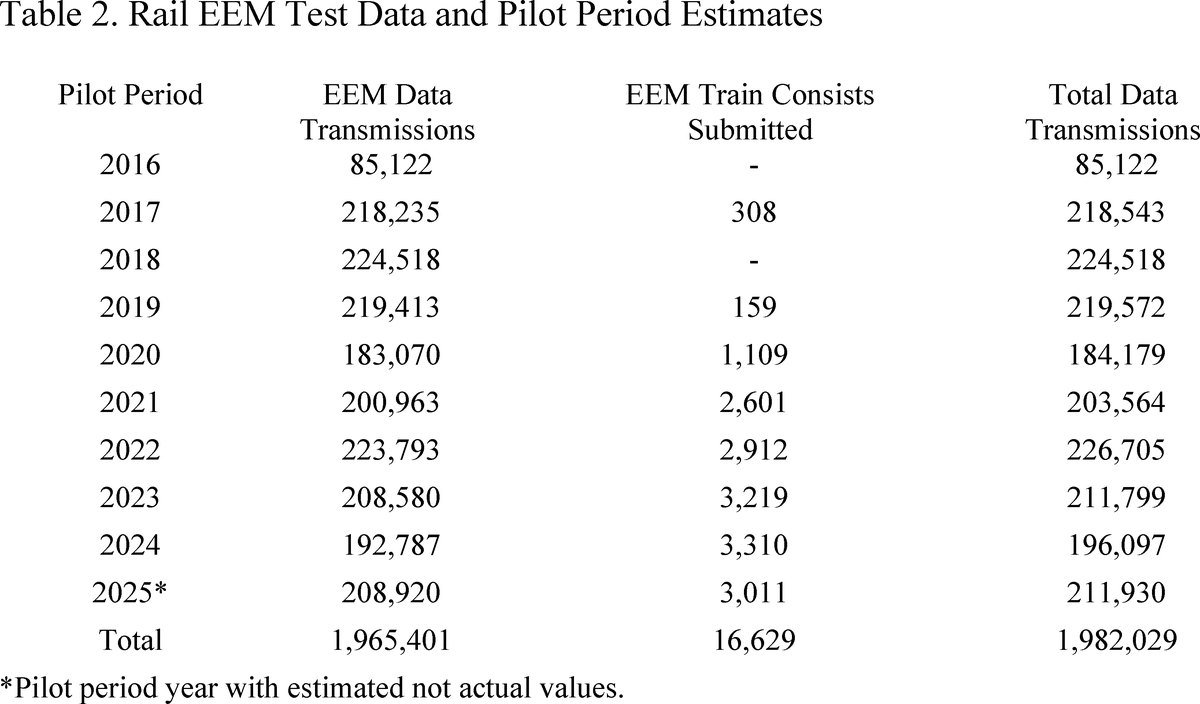
Bond provisions are amended so CBP can assess liquidated damages when mandatory data is not provided as required. The rule grows out of the ACE rail export manifest test that ran from 2016, which ends on the effective date; the proposed rule was published January 13, 2025. Responding to requests for a transition period, CBP said enforcement "will not begin for at least one year."
What this means for independent store owners
Most cross-border sellers ship into the U.S., not out of it, so the direct impact is small and the three key facts above are enough. The pattern that is affected is specific: stocking inventory in a U.S. warehouse and moving it by rail consolidation to customers in Canada or Mexico, which is not unusual for sellers operating across North America. For them, the change lands on forwarders and carriers, who will need your export data earlier: parties, description, quantities and codes, because the initial filing is due 24 hours before the train leaves. Expect tighter cut-offs and revised contract terms during 2027.
The trend is worth more than the rule. On Wednesday we covered CBP's plan to collect foreign export documents on the import side. This is the same move in the export direction: every mode is heading toward electronic, advance filing. Paper, ad hoc, fix-it-before-departure documentation does not have long left.


