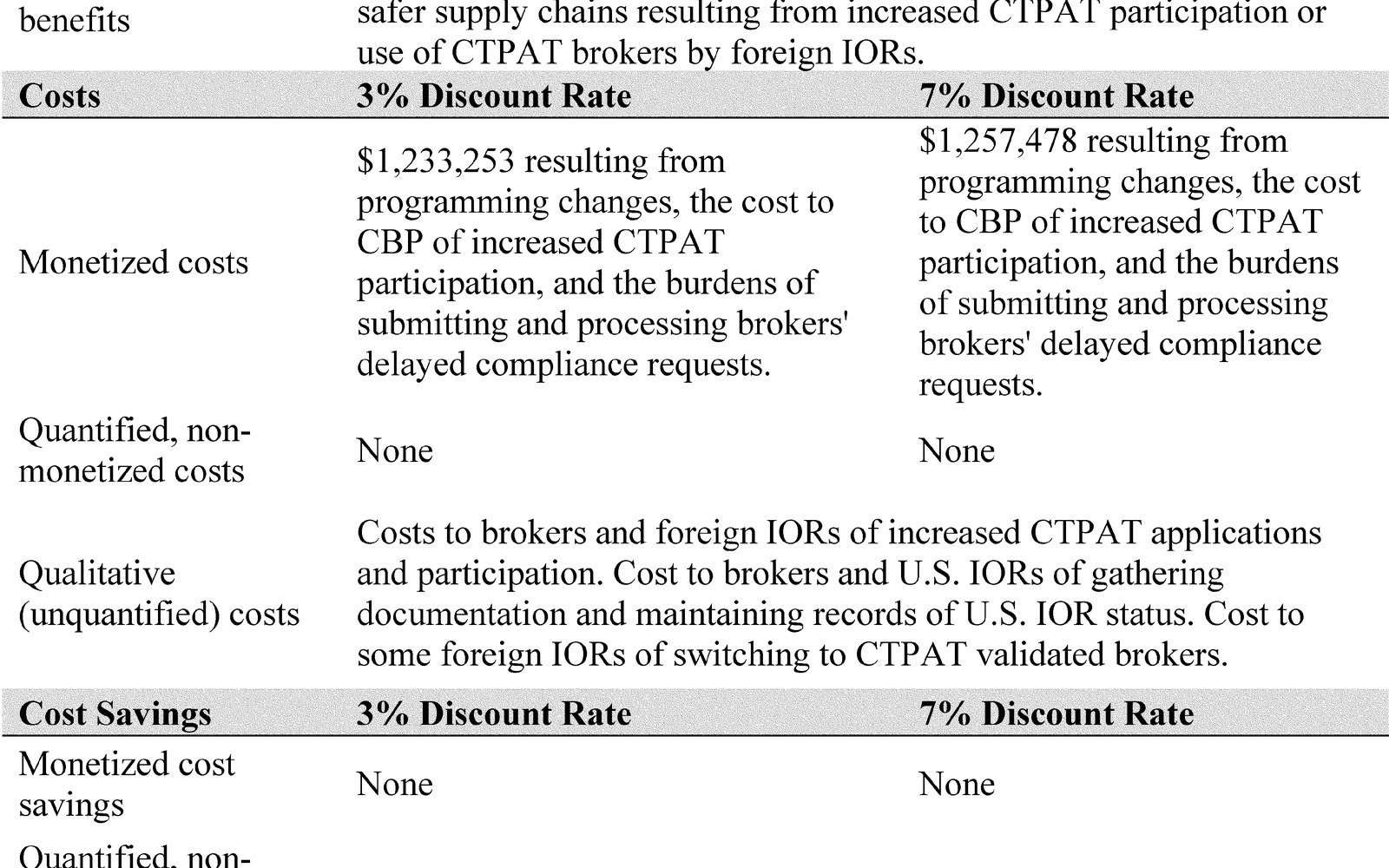
On November 6, 2026, U.S. Customs and Border Protection published an interim final rule in the Federal Register, issued under Executive Order 14411, "Strengthening Customs Enforcement." It sets new requirements for foreign importers of record (IORs) making entry, and spells out what licensed customs brokers owe their clients.
Key facts
- Effective: January 5, 2027. Brokers must be fully compliant by May 6, 2027, and may request delayed compliance with the 19 CFR 111.29 changes before January 5.
- Who is affected: sellers who clear U.S. customs as a foreign IOR in their own name, and the brokers who act for them.
- Do you need to act: if you ship to the U.S. as a foreign IOR, ask your broker now what the new rule requires from you.
What happened
The rule is an interim final rule with a request for comments. It adds requirements for foreign IORs at entry, sets out broker responsibilities toward their clients, and lists consequences for foreign IORs and brokers who do not comply. The detailed document requirements and penalties are in the full Federal Register text.
What this means for independent store owners
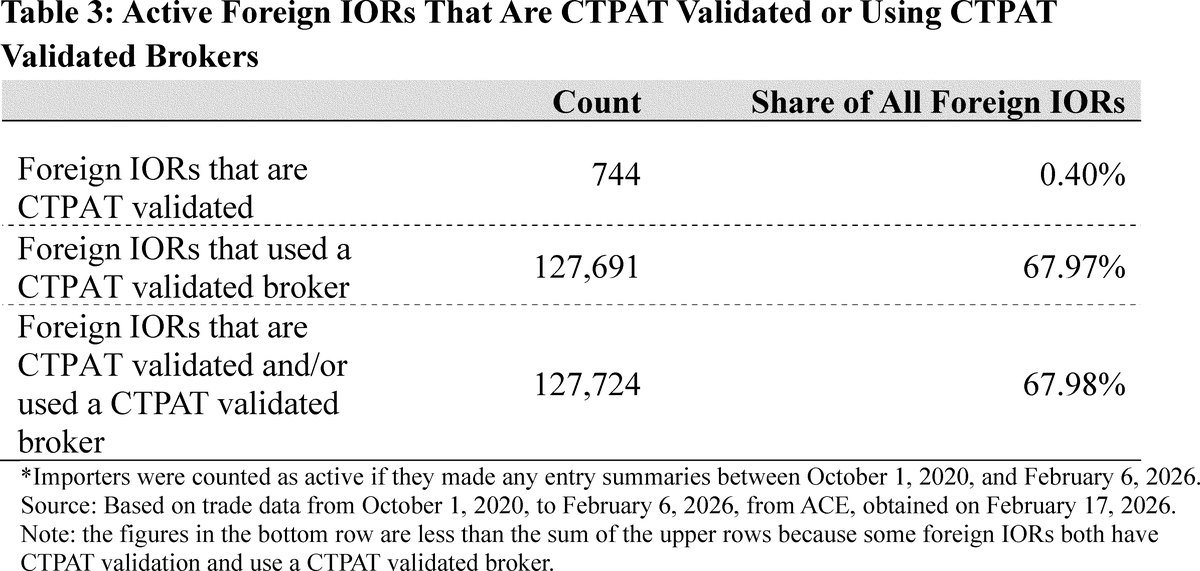
The most exposed sellers are those with no U.S. entity who act as their own importer of record, for example factory-direct stores handling DDP clearance, along with the brokers who work for them. If your freight forwarder's U.S. entity is the IOR on your shipments, you will feel less directly. But once brokers carry more liability, expect them to pass the pressure down: more paperwork, stricter declarations, and possibly slower processing. We have only reviewed the rule's summary and dates, not every provision, so what exactly you will need to file and how severe the penalties are remains unconfirmed. Two things are worth doing now: find out whose name is on your U.S. entries as IOR, and ask your broker or forwarder how they are preparing for this rule. There is time before January 5, 2027, but do not wait until after the holiday rush.