In early October, Google updated its "Creating helpful, reliable, people-first content" documentation, adding a new definition for "Main Content" and revising several quality attributes — including effort, originality, and accuracy — to reward pages whose core content sits front and center and reflects real human work.
Key facts
- When: documentation updated in early October 2026 (guidance is live now; this is not a confirmed algorithm update)
- Who it affects: independent stores doing SEO and content marketing, especially product pages and blogs produced with heavy AI automation
- What to do: move core product info above the fold and audit AI-assisted content for real authorship and factual accuracy
What happened
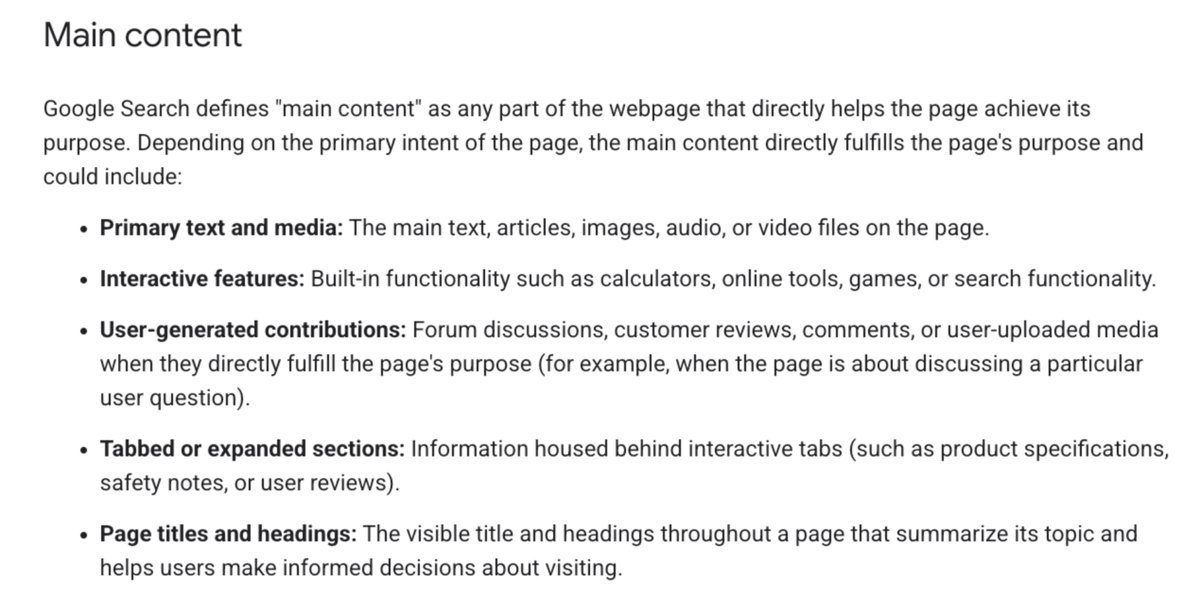
Google added a definition of "Main Content" — content that directly accomplishes the page's purpose, such as an article, calculator, tool, or video — and says it should sit at the front of the page, not buried under introductory fluff. Several attributes were also revised. "Effort" now assesses the human work and curation behind content, devaluing mass-generated output with little oversight. "Originality" asks for unique perspectives, data, or testing not already found in search results. "Accuracy" demands strict fact-checking and specifically warns against "unreviewed AI hallucinations." Fake personas, fabricated bios, and misleading bylines are now flagged as low-quality signals. Tabs and accordions remain acceptable as long as the hidden content stays accessible.
What it means for independent store owners
Two types of content feel this most. First, product pages: with "main content first" now spelled out, price, specs, and buy buttons shouldn't sit below long brand intros — if shoppers and crawlers have to scroll through fluff to reach the point of the page, it's worth reordering. Second, sites that mass-produce blogs or product descriptions with AI carry the most risk: calling out unreviewed hallucinations and fake authors means Google's ranking systems are being trained to reward content that shows human effort, not just fluent, information-thin prose. Don't panic-delete anything — this is a documentation change, not a confirmed algorithm update, though SEOs read it as a sign the next core update may be close. The sensible moves now: add real bylines and a fact-checking pass to AI-assisted content, pull core product and article information up the page, and gradually rewrite or remove low-value bulk content while you watch for the next core update.